Removal Company in Finsbury Park

Our removal company in Finsbury Park provides practical moving support for homes and smaller business premises, with services shaped around careful handling, clear access planning and a straightforward route from loading to delivery. We work across house moves, flat removals and office relocations, and we can also help with furniture removals, packing support and storage arrangements where those parts of the move need to be organised together. The focus is on making the moving day manageable, not on adding unnecessary steps.
If you are comparing removal services for a local move, it helps to look at the type of property, the amount to be moved and any access issues that may affect the work. A concise plan can make a useful difference when stairs, parking or shared entrances are involved. Think about the rooms, the heavier pieces and whether packing support would save time, then use our service pages to match the work to what you need.
Use this page as a starting point if you want a clear picture of the main service before asking for a quotation. You can review the different move types, compare specialist options and decide which level of support is appropriate for the job. When you are ready, request a quote and describe the move as fully as you can so the response reflects the work involved.
House and flat removals
House removals and flat removals cover the core moving work for customers who need belongings taken from one address to another with organised loading, transport and unloading. The right approach depends on the amount of furniture, the number of access points and whether the property involves narrow stairs, lifts or limited parking. A smaller flat move can call for a different set-up from a family house, so the service should stay flexible rather than fixed to one pattern.
For moves that are mainly domestic, the key decisions are usually about how much support is needed and how the load will be arranged. Some customers only need transport and lifting, while others want help with dismantling, wrapping or moving awkward items through tighter spaces. Where a property has shared hallways or upper floors, a planned sequence for bringing items out can reduce delays and help keep the work controlled.
Choosing the right move format
Different properties benefit from different removal formats, and the main options usually depend on access, volume and the fragility of the items. Our house removalists page covers full domestic moves, while the flat removals option is more suitable where the job needs attention to stairways, lifts or compact loading areas. If you have only a few large items, furniture removals may be the more efficient choice. For a focused enquiry, send the basics first and then add room-by-room details if needed.
Packing, furniture and specialist handling

Packing and unpacking services can be useful when you want the move to stay organised from the first box to the final room. Careful packing reduces the chance of loose items shifting in transit, while unpacking support can help settle essential rooms sooner after delivery. We also provide packing and boxes guidance for customers who need materials and structure before moving day rather than last-minute improvisation. Each option serves a different stage of the process.
Furniture removal work often needs more than simple lifting. Large wardrobes, beds, tables and cabinets may need to be taken apart and reassembled, or protected so they can travel safely without scuffs and strain. For especially awkward items, the service should match the item and the route, not just the floor area of the property. That is why a clear list of the heavier pieces matters when you request a quotation.
If you have special handling requirements, use the specialist pages rather than assuming every move is the same. Piano removals is the obvious example for heavy and delicate items, and furniture pick-up can suit single-item collections that do not justify a larger move. The most useful quote requests are simple and factual: what needs moving, from where, to where, and whether there are any access constraints or assembly needs.
Commercial removals and office moves
Office removals and office relocation services are designed for businesses that need workstations, furniture, files and equipment moved with a sensible sequence and limited disruption. A commercial move often involves more than carrying items out of one building and into another, because desks, storage units, meeting furniture and equipment may need to be separated, labelled and restored in a practical order. That planning step matters whether the office is small, shared or spread across several rooms.
Commercial moves benefit from good coordination around access, loading times and the way items are grouped for delivery. Some businesses need a more gradual move with clearly defined areas, while others want a single transfer that gets the office functioning again in one go. Our commercial moves page is useful if you want broader support across these requirements, while office removals stays focused on the movement itself. The right choice depends on how much you need handled and how the premises are set up.
When a business enquiry comes in, the most helpful details are the type of premises, the amount of furniture and whether there are items that need special care. Clear labelling, a practical inventory and a sensible move order can make the service easier to schedule and easier to complete. If you want to compare service levels before committing, review the office and commercial pages first, then ask for a quotation that reflects the actual scope.
About Finsbury Park
Finsbury Park is a district in north London best known for the large public park that gives the area its name and for the busy transport connections around the station. The park itself was laid out in the nineteenth century on former market garden and agricultural land, and it has long served as one of the area’s principal open spaces. It includes broad paths, mature trees, sports facilities and space for large gatherings, making it a central landmark in local life. Around it, the neighbourhood has developed a varied urban character shaped by Victorian and Edwardian terraces, later mansion blocks, shopfronts and infill development. The name Finsbury Park is also used for the railway and Underground station, which sits at an important junction on the London transport network and helps define the district’s identity. Nearby streets connect the area to Holloway, Stroud Green, Harringay and Manor House, while the western edge of the park reaches toward Highbury. The surrounding built environment shows layers of London growth, from residential streets with period housing to more commercial stretches along the main roads. Cultural life in the area is closely tied to the park, local venues and the everyday mix of shops, cafés and community spaces that serve a dense inner-London population. The result is a place that feels both well connected and locally distinct, with the park, station and residential streets each contributing to the wider character of Finsbury Park.
Storage and moving plans
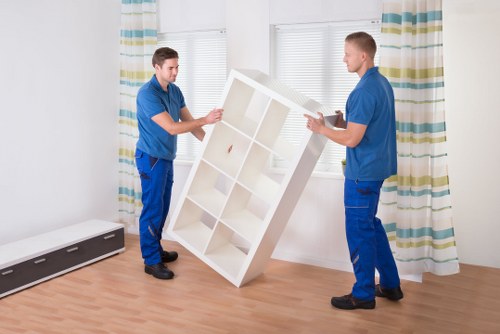
Storage can be an important part of a move when dates do not line up neatly or when you need space between leaving one property and settling into the next. Our storage page suits customers who want to bridge a gap, reduce pressure during a staged move or keep larger items secure while rooms are being prepared. It is often the sensible choice when a property completion date changes or when work is being done at one end of the move.
A good moving plan is less about complicated detail and more about sequencing. First decide what has to travel immediately, what can wait and what should be packed separately because it is fragile or needed straight away. If storage is part of the process, you may want to group items by room or by priority so retrieval later is simpler. This is especially helpful where the move is being done in stages rather than all at once.
Pricing for removal work can depend on the size of the load, the service type, access conditions and whether packing, dismantling or storage are included. Because each move has a different shape, the best quotation is usually based on a clear description rather than a rough guess. List the main furniture, the number of boxes and any awkward access details, then use the relevant service page when you want to narrow the enquiry further.
Same-day and short-notice removals
Same-day removals are intended for situations where timing is tight and the move needs to be organised quickly without losing sight of the basic handling requirements. This kind of service is most useful when the load is manageable, the route is straightforward and the items can be prepared efficiently. It is not a different category of care so much as a faster arrangement of the same moving work.
Short-notice moves still need the usual practical checks: volume, access, parking, lifts, stairs and the kind of furniture being moved. If those details are clear, it becomes easier to decide whether same-day removals is the right fit or whether a scheduled move would be more comfortable. A quick response is not a substitute for a sensible plan, especially where there are heavy pieces or items that need wrapping.
For customers trying to act quickly, the most helpful approach is to keep the request concise but complete. Say what is being moved, where it is going and whether anything needs dismantling or special handling. If you are unsure which service page to use, start with removals and then refine the request. Urgent does not need to mean unclear; a short, accurate enquiry usually gets you to the right quotation more efficiently.
Vehicles, labour and one-off item collection
 If you only need a vehicle and moving labour, the man and van style options can suit smaller loads, partial moves or one-off collections. Our man-and-van, man-with-a-van and man-with-van pages give you slightly different route points into the same broad service family, and each can be useful depending on how the move is described on the site. The practical aim is simple: move fewer items efficiently without booking a larger setup than you need.
A moving truck or removal van may be more appropriate when the load is larger, the furniture is bulky or the job is likely to take more than one careful run. These vehicle-focused options are best considered alongside the amount of labour required, because loading time, stairs and item weight all influence the outcome. The right match is not only about capacity; it is about whether the vehicle and the handling together fit the job.
For single-item work, furniture pick-up can be enough, while removal truck hire and removal van pages can help if you are comparing vehicle-led options. A useful enquiry sets out the number of items, approximate sizes and any unusual lifting involved. That information gives a better basis for a quotation than a general request for “a van†or “help moving a few thingsâ€.
Preparing for the move
Good preparation helps the moving day run in a calm order, but it does not need to be complicated. Start by deciding which items are staying, which are travelling and which should be packed last for immediate use. If you are using packing and boxes support, set aside documents, valuables and essentials separately. If you are not, keep your own cartons clearly grouped so the final rooms are easier to organise.
A short preparation checklist can keep the job focused without turning the enquiry into a long administrative task:
- Identify the main rooms and larger furniture pieces.
- Note whether there are stairs, lifts, narrow hallways or restricted parking.
- Say if anything needs dismantling, wrapping or specialist handling.
- Tell us if storage, packing or furniture removals need to be included.
Those details are enough to begin shaping a realistic quotation. If the move is still being planned, you do not need a perfect inventory before getting in touch. A concise description of the property type and the main items is usually enough to start the conversation. The aim is to keep the process practical, not to burden you with unnecessary steps.
Quotation details and next steps

When you ask for a quotation, the most useful information is the scope of the work rather than a vague summary. Tell us whether you need house removals, flat removals, office removals or a specialist service such as piano removals or storage. If the move includes several elements, list them in the order you want them handled. That makes it easier to shape a reply around the actual job and the level of support required.
It can also help to mention timing, access and any fixed constraints. For example, a top-floor flat, a loading bay, a shared entrance or a narrow stairwell can all affect how the move is arranged. If you want to review the available options before sending details, you can look at the pricing and quotes page, then choose the most suitable service page to describe the work. The more accurate the summary, the more relevant the quotation will be.
Ready to move forward? Contact us for a quotation and tell us what you need moved, when you need it and which service best matches the job. Whether you are arranging a domestic move, a business relocation or a one-off item collection, we can help you find a sensible route from the first enquiry to the completed move.