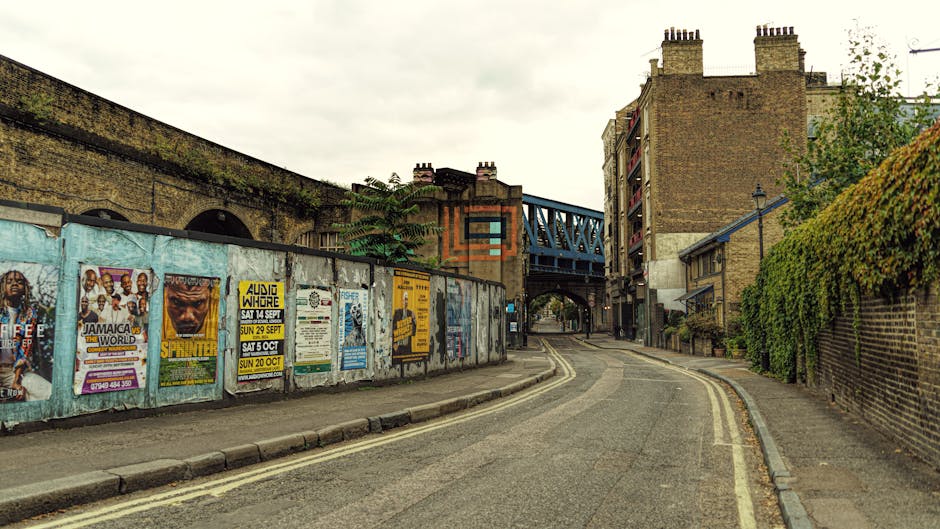
Blackstock Road access tips for removals in Finsbury Park
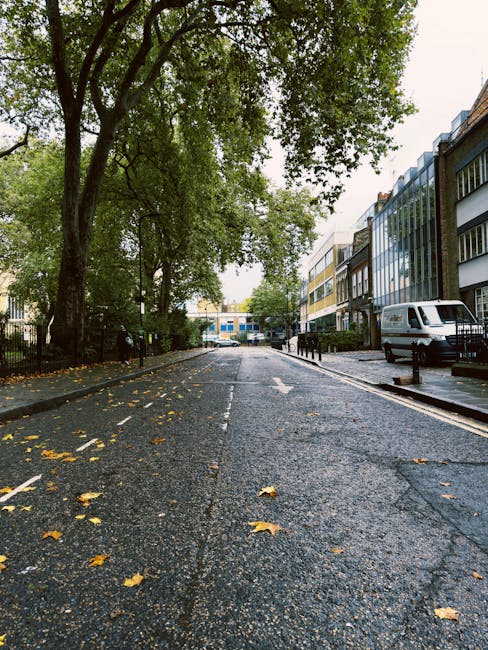
If you are moving home, relocating a flat, or planning a business move near Blackstock Road, the access side of the job can make or break the day. A van that cannot stop legally, a stairwell that is narrower than expected, or a last-minute delay outside a busy terrace can turn a simple removal into a long, sweaty, slightly chaotic morning. Truth be told, this is where the real planning happens.
This guide to Blackstock Road access tips for removals in Finsbury Park is written to help you avoid those awkward surprises. You will find practical advice on vehicle choice, parking, loading, timing, building access, and the small local details that often get missed. The aim is simple: help you move with less stress and fewer hold-ups.
Why Blackstock Road access tips for removals in Finsbury Park Matters
Blackstock Road sits in a part of London where space is often at a premium. That sounds obvious, but it has a lot of knock-on effects for moving day. Traffic can build quickly, kerb space can disappear before your eyes, and some properties are awkwardly positioned for larger vehicles. Add in shared entrances, busy pavements, nearby junctions, or a narrow front garden wall, and you have a moving puzzle rather than a straightforward lift-and-load.
Access planning matters because removals are time-sensitive. Every extra minute spent trying to find a stopping point or carrying boxes further than expected increases fatigue, risk, and cost. It also affects neighbours and other road users. A well-planned move tends to feel calm and controlled; a poorly planned one often feels like everyone is working uphill in the rain, even if the weather is fine.
For people booking removals, the access question is not just about convenience. It influences the size of vehicle you need, the number of crew members, whether you should choose man and van support or a larger team, and whether items need to be protected and carried in smaller loads. That is why the best access advice starts before the van turns up.
Expert summary: The smoother the access, the faster and safer the move. On a busy London road, a few minutes of planning can save a full hour of frustration later.
How Blackstock Road access tips for removals in Finsbury Park Works
The basic idea is simple: you reduce friction before moving day. In practice, that means looking at the property, the street, and the route from vehicle to front door, then matching the move plan to those conditions. A small flat with a tight staircase may be better served by a compact vehicle and more trips. A house move with driveway access may allow a larger load and quicker turnaround. Easy enough in theory. Not always so easy at 8 a.m. with boxes everywhere.
Start by checking where the vehicle can stop safely and legally. If the van is likely to park some distance from the entrance, factor in extra walking time, trolley use, and the need for stronger packing. If there are steps, narrow paths, or a shared entrance, these details affect how the team should work. Many movers also find it useful to combine access planning with packing and boxes support, because properly labelled, stackable boxes are much easier to move through tight spaces.
There is also a sequencing issue. Which items go out first? Which rooms are hardest to access? Can the heaviest things be moved before the corridor gets crowded? A good access plan answers these questions early. That is especially helpful if you are booking a flat removal or a move involving several floors.
Think of the process in three layers:
- Street access: where the vehicle can stop, turn, or wait.
- Building access: doors, corridors, lifts, stairs, and thresholds.
- Load access: the route between the van and the items being moved.
When those three layers are understood together, the move becomes much easier to manage. You may still hit a small snag here and there - it happens - but you are far less likely to be caught off guard.
Key Benefits and Practical Advantages
Good access planning is not only about avoiding delays. It gives you a better moving experience all round. On a practical level, it helps protect furniture, reduce handling time, and lower the chance of accidental knocks on walls, banisters, or door frames. On a human level, it just makes the day feel less noisy and frantic.
- Faster loading and unloading: shorter carrying distances usually mean quicker progress.
- Less physical strain: fewer long carries can reduce fatigue for everyone involved.
- Better vehicle choice: you can match the van or truck to the real access conditions.
- Lower damage risk: fewer awkward turns and tight squeezes mean less chance of chips and scuffs.
- More accurate timing: a realistic plan makes arrival windows and completion estimates more dependable.
There is another benefit people often overlook: better coordination with the building itself. If you are in a managed block, a house share, or a mixed-use street, notifying the right people early can save a lot of back-and-forth on the day. For larger jobs, particularly commercial or office moves, this becomes even more important. A planned arrival and departure process is often the difference between smooth logistics and a very long lunch break.
And yes, cost can be affected too. A move that needs more labour, more time, or a second trip will usually cost more than a clean, well-accessed job. If you want to understand how access conditions shape pricing, it helps to review the company's pricing and quotes information before you book.
Who This Is For and When It Makes Sense
This advice is useful for almost anyone moving near Blackstock Road, but some people will feel the impact more sharply than others. If you live in a top-floor flat, have bulky furniture, or share access with neighbours, you will notice the value of planning very quickly. If your move involves business equipment, file boxes, or multiple team members, the same applies.
It makes especially good sense for:
- tenants moving in or out of compact flats
- homeowners with limited roadside space
- students moving with mixed box sizes and a few sentimental things that somehow weigh a ton
- small businesses organising a local relocation
- people with heavy or awkward furniture
- anyone using a man with van or removal van service in a busy residential street
It is also useful if you are trying to decide between a smaller service and a more complete moving package. For example, if access is very tight but the volume is modest, a flexible man with a van option may suit you. If you are moving more items than first expected, a larger service with a moving truck may make more sense. The right answer usually depends on the property, not just the inventory.
For students, the same logic applies in a smaller way. A few bags, a desk chair, and half a bookshelf can still become awkward if the staircase is steep or the road is busy. For that reason, student removals often benefit from simple, early access planning.
Step-by-Step Guidance
If you want a clear way to approach the job, use this process. It works well for most Blackstock Road moves, and it keeps the whole thing manageable.
- Walk the route from front door to vehicle space. Measure it with your eyes first, then your tape measure if needed. Look for steps, gates, kerbs, tight turns, and any point where a sofa might snag.
- Check the street conditions. Notice where vehicles usually stop, how much passing traffic there is, and whether there is enough room for safe loading. Even a few metres matter.
- List the awkward items. Sofas, wardrobes, mattresses, mirrors, pianos, and large desks need special attention. If you are moving something fragile or unusually heavy, think about whether extra protection or specialist handling is sensible.
- Match the vehicle to the access. A larger vehicle is not always better. Sometimes a smaller van with fewer access headaches is the smarter choice. For bigger loads, though, a more substantial option may prevent multiple journeys.
- Prepare packing for the route. Use strong boxes, clear labels, and sensible weight distribution. Heavy items should sit in smaller boxes; light but bulky items can take larger ones. It sounds basic because it is basic, but people still get caught out.
- Arrange timing carefully. Mornings are often easier than later in the day, but local traffic patterns matter. Try to avoid peak pressure where possible and allow time for unexpected hold-ups.
- Communicate the access details in advance. Tell the removals team about stairs, parking restrictions, locked gates, basement storage, or a narrow hallway. The earlier they know, the better they can plan.
That last point is the one people most often underestimate. Good movers can adapt, absolutely. But they cannot adapt to information they do not have. A quick message about a tight entrance can save a lot of awkwardness later.
A small but useful planning habit
Before moving day, stand at the street and picture the whole load path in your head. Where will the first box go? Where will the van stand? Which door opens inward? It sounds almost too simple, but it helps. A lot.
Expert Tips for Better Results
Here is where local experience really pays off. A move in this part of Finsbury Park often runs better when you plan for the street, not just the property.
- Use smaller, stronger boxes for heavy items. A box that is too large becomes a back problem very quickly. Books, crockery, and small appliances are classic culprits.
- Protect the route as well as the furniture. Door edges, bannisters, and corners are more likely to suffer in tight access situations. Simple coverings or careful handling can make a big difference.
- Keep a clear landing zone. If possible, create a small staging area inside the property so the team can move items out in an orderly way rather than squeezing around each other.
- Label rooms clearly. When items need to travel in shorter bursts, clear labels reduce confusion and stop boxes being left in the wrong place.
- Be honest about awkward items. That old wardrobe might look manageable until it meets a staircase. Better to flag it early than pretend it is just another box. We have all seen how that ends.
- Have a wet-weather plan. London weather can change fast, and a damp pavement can make loading slower and more careful. Towels, covers, and a little extra time help.
If the property is particularly tricky, it may be worth considering a storage-first approach, especially if the move dates are not lining up neatly. A short-term stopover can reduce pressure and make the final delivery day much easier. In that case, storage can be a practical bridge rather than an extra hassle.
For business moves, the same access logic applies but with a stronger emphasis on continuity. If staff still need to work while boxes are being moved, the cleaner option is often to split the relocation into stages. That is where office removals and office relocation services can be helpful, especially when equipment, files, and furniture all need different handling.
Common Mistakes to Avoid
Most access problems come from the same few errors. Fortunately, they are avoidable if you know what to look for.
- Assuming the van can stop right outside. In London, that is often the part people get wrong first.
- Underestimating stairwells and corridors. A staircase that looks "fine" in the morning can suddenly feel a lot smaller with a mattress in it.
- Forgetting to check building rules. Some blocks have booked lift windows, quiet-hour expectations, or loading restrictions.
- Using oversized boxes. They save time in packing and cost you in lifting. Not a smart trade.
- Leaving clearance until the day itself. If bins, bikes, plant pots, or delivery parcels are in the way, the whole job slows down.
- Not warning the removals team about fragile access points. A low ceiling, a sharp turn, or a narrow threshold can change the handling approach completely.
There is also a common mental mistake: people think access planning is only for complicated moves. It is not. Even a simple local relocation can get bogged down if the route is poor. A straightforward job can turn messy very quickly if the vehicle arrives to find nowhere sensible to stop.
And if you are moving on a tight timeline, poor access multiplies stress. That is particularly true for same day removals, where there is very little room for improvisation. Same-day help can be a lifesaver, but only if the access is understood from the start.
Tools, Resources and Recommendations
You do not need fancy equipment to plan access well. In most cases, a notebook, a phone camera, a tape measure, and a bit of common sense are enough. Still, a few simple tools can make the job easier.
- Measuring tape: useful for door widths, hallways, and bulky furniture dimensions.
- Phone photos: take pictures of stairs, entrances, parking points, and anything unusual.
- Room labels and marker pens: keep the unloading process organised.
- Protective wrapping: good for corners, glass, and polished surfaces.
- Sturdy packing materials: proper boxes, tape, and paper help prevent mishaps in transit.
If you need support with the actual packing side, packing and unpacking services can remove a lot of pressure. For people who prefer to pack themselves but want reliable materials, packing and boxes is worth reviewing too. It is a small thing on paper. On moving day, it is a very big thing indeed.
For larger or heavier loads, it may be sensible to look at vehicle-led options such as removal truck hire or to compare it with a more compact service. The key is not to choose the biggest vehicle on instinct. Choose the one that fits the access realities.
Law, Compliance, Standards, or Best Practice
When removals involve public roads, you need to think about safe and lawful stopping, considerate loading, and general road safety. That does not mean every move requires formal permissions, but it does mean you should avoid blocking traffic, obstructing pavements, or creating hazards for pedestrians. In a busy London street, the best practice is to keep things efficient, visible, and tidy.
If the move involves a shared block, a landlord, an estate manager, or a workplace, there may also be building-specific rules. These are not always legal rules in the strict sense, but they still matter. Lift bookings, access codes, floor protection, and loading bay arrangements are all common expectations in urban moving.
From a safety perspective, the basics matter most: clear walkways, sensible lifting, stable stacking, and appropriate handling of awkward items. A reputable moving team should also have a clear approach to safety and accountability. If you want to understand how a company handles this, it is sensible to review its health and safety policy and insurance and safety information before you book.
For customer confidence, policies around payments, privacy, and terms matter too. They may not affect the physical move itself, but they do affect how transparent and dependable the service feels. That is often the difference between a smooth booking and a slightly uneasy one.
Options, Methods, or Comparison Table
Different access situations call for different moving methods. Here is a simple comparison to help you think it through.
| Move option | Best for | Access strengths | Possible drawback |
|---|---|---|---|
| Man and van | Small to medium moves | Flexible in narrow streets, easier to park | May need more trips for larger loads |
| Removal van | Standard local removals | Good balance of capacity and manoeuvrability | Parking still needs planning |
| Moving truck | Large homes or bulkier loads | Fewer journeys, better for volume | Harder to position on tight roads |
| Flat removal service | Upper-floor or apartment moves | Better suited to stairs, shared entries, and compact access | May require more handling time |
There is no universal winner here. A small van can be ideal on Blackstock Road if access is cramped. A larger truck may be smarter if the property has easier roadside space and you are moving a lot of furniture. The best choice is the one that aligns with the actual route, not the one that sounds most impressive on the phone.
In some cases, a blended approach works best. For instance, a household move might use a smaller vehicle for the final stretch, while bulk items are handled in a separate run. That can be especially useful if you are combining house removals with difficult access or if you are moving from a place with limited loading options.
Case Study or Real-World Example
Here is a realistic example, based on the sort of job people often face around Blackstock Road. A couple were moving from a first-floor flat into a house not far away. On paper, it looked simple enough: short distance, modest furniture, no major drama. But the flat had a narrow staircase, limited frontage, and a street where parking could disappear quickly after breakfast.
They took a sensible approach. Before moving day, they measured the biggest furniture, took photos of the entrance, and told the removals team that the sofa had to turn sharply at the top of the stairs. They also packed books into smaller boxes instead of loading everything into oversized cartons. That tiny decision probably saved their backs. Seriously.
The team arrived with a vehicle that could work within the street layout, loaded in stages, and used the front room as a temporary staging point. The move still took concentration, but it stayed controlled. No one was rushing blindly up and down stairs, and there were no last-minute arguments about where a wardrobe would fit. The day finished with that pleasant sense of relief you only really get after a move goes properly.
The lesson is clear: access planning is not paperwork fluff. It changes the whole mood of the move.
Practical Checklist
Use this checklist before moving day. It keeps things simple and it works.
- Confirm where the vehicle can stop legally and safely.
- Measure doorways, stair widths, and any tight corners.
- Take photos of the route from van to entrance.
- Tell the removals team about steps, lifts, gates, and locked doors.
- Identify the heaviest and most awkward items early.
- Pack heavy items in smaller boxes.
- Label boxes by room and priority.
- Clear hallways, entrances, and landing areas.
- Check building rules, booking windows, or loading restrictions.
- Allow extra time if traffic or access is likely to be difficult.
- Keep essential documents, keys, and valuables with you.
- Review your preferred service type before confirming the booking.
If you are still deciding on the right moving support, it can help to compare the shape of the move with the kind of service you need. For example, a home move may lean toward home moves, while a local business transition may be better matched to commercial moves. Different jobs, different pressures. Simple as that.
Conclusion
Blackstock Road access planning is one of those things that looks small until the moving van is outside and every second starts to matter. If you understand the street, the building, and the route from the van to the door, you give yourself a far better chance of a smooth move. You reduce stress, protect your belongings, and make life easier for the crew helping you.
The real win here is not just speed. It is confidence. When access is thought through properly, the whole day feels more manageable, even if the property is a bit awkward or the timetable is tight. That is a good feeling, and honestly, it is worth the effort.
If you are preparing a move in Finsbury Park and want support that fits the space, the timing, and the practical realities of the street, start by planning access first and everything else gets easier from there.
Get a free quote today and see how much you can save.
Frequently Asked Questions
What are the most important Blackstock Road access tips for removals in Finsbury Park?
The most important tips are to check parking, measure tight spaces, tell the removals team about stairs or restricted access, and plan the loading route before the van arrives.
Do I need a bigger van if parking is difficult on Blackstock Road?
Not always. In some cases, a smaller van is actually easier because it can manoeuvre more comfortably in tighter streets. The best vehicle is the one that matches the access and the size of the load.
How early should I plan access for a move in Finsbury Park?
Ideally, as soon as you know your moving date. Even a quick walk-through a few days before can reveal issues like narrow entrances, awkward stairs, or poor stopping space.
Is a man and van service suitable for Blackstock Road moves?
Yes, often it is. A man and van service can be a good fit for smaller or medium moves where flexibility matters more than maximum capacity.
What should I do if my flat has narrow stairs?
Measure the stairs, flag the issue early, and pack items so they are easier to carry. For larger furniture, make sure the moving team knows in advance so they can plan handling carefully.
Can removals be done in one trip if access is tricky?
Sometimes yes, sometimes no. It depends on the volume of belongings, vehicle size, and the carrying distance. If access is difficult, a second trip may be safer and more realistic.
How do I prepare bulky furniture for a tight access move?
Remove detachable parts where possible, wrap corners, measure the item against doorways, and tell the movers if anything is especially heavy or fragile. Sofas and wardrobes need a bit of extra respect, to be fair.
What if there is nowhere for the van to stop right outside?
Then you need to plan for a longer carry from the nearest safe stopping point. That affects timing, labour, and sometimes pricing, so it is worth mentioning before the booking is confirmed.
Are same-day moves possible around Blackstock Road?
They can be, but same-day removals rely heavily on clear access and fast decisions. If the street or building access is uncertain, the job becomes more complicated very quickly.
Should I choose storage if my access or dates are uncertain?
Storage can be a very practical option if your move-out and move-in dates do not line up cleanly, or if you want to reduce pressure on the day. It is especially useful when the property access is awkward and you need breathing room.
What information should I give the removals company before moving day?
Tell them the full address, parking situation, entrance type, floor level, lift access, any narrow stairs, and whether there are fragile or oversized items. The more accurate the details, the smoother the move.
Where can I find more about the company before booking?
You can learn more through the about us page and review service details like removal services before making a decision. That helps you compare options with a bit more confidence.
How do I know whether I need house removals or flat removals?
The best choice depends on the property type and access conditions. If you are moving from or into an apartment, flat removals may be the better fit. For standalone homes, house removals is usually more relevant.
One last thought: good removals are rarely about luck. They are about preparation, clear communication, and making the street work for you rather than against you. Get that part right, and the rest tends to fall into place.